
What happens outside your website often matters just as much as what’s on it. That’s where Off-Page SEO comes in. It’s the secret engine behind higher search rankings, better visibility, and greater trust. While on-page SEO fine-tunes your site’s structure and content, off-page SEO builds its reputation across the web. Think of it like word-of-mouth marketing for the digital age; backlinks, brand mentions, social shares, and authority signals that search engines use to measure credibility.
In 2025, off-page SEO isn’t just about links. It’s about building an online presence that Google trusts and users love. If your website isn’t getting noticed beyond its borders, you’re leaving rankings and revenue on the table.
Table of Contents
What Is Off-Page SEO?
Off-page SEO means improving your website’s reputation by doing things outside your actual site. It includes actions like getting backlinks from other trusted websites, earning brand mentions, sharing your content on social media, and gaining positive reviews. These signals tell search engines like Google that your website is useful, trustworthy, and popular.
If your website is a shop, think of off-page SEO as what others say about it. When many trusted people recommend your shop, more people visit—and search engines take notice too. Backlinks work like digital votes. The more high-quality websites that link to you, the more Google sees your site as an expert in its field.
Off-page SEO also supports Google’s E-E-A-T principles: Experience, Expertise, Authoritativeness, and Trustworthiness. When your site gets mentioned in the right places, it proves you’re a credible source. That’s a big deal in 2025, where trust plays a major role in how search engines rank websites.
In short, off-page SEO helps your site grow by earning trust from the wider internet. It’s a key part of any smart SEO strategy and works hand-in-hand with your on-page efforts to boost your visibility and reach.
Absolutely! Here’s a clear and easy-to-read comparison table for On-Page SEO vs. Off-Page SEO using your writing style:
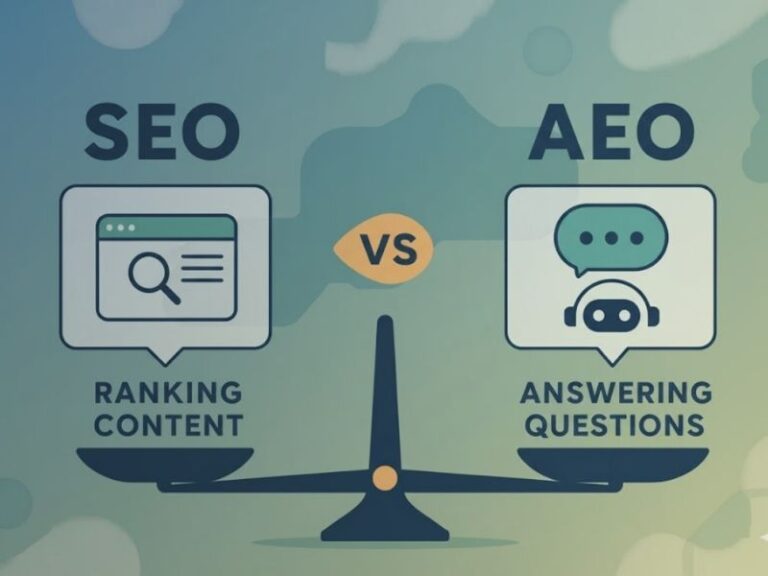
Also Read: SEO VS AEO: Complete Guide
On-Page SEO vs. Off-Page SEO
| Aspect | On-Page SEO | Off-Page SEO |
| Focus Area | Inside the website | Outside the website |
| Control | Fully controlled by the site owner | Depends on other websites and platforms |
| Main Goal | Optimize content and structure for users and search engines | Build authority, trust, and reputation |
| Key Techniques | Keywords, meta tags, internal linking, page speed, content | Backlinks, brand mentions, social shares, reviews |
| Search Engine Role | Helps Google understand and crawl your website | Helps Google decide how trustworthy and popular your site is |
| Examples | Optimizing title tags, improving page load speed | Getting guest posts, influencer mentions, social bookmarks |
Off-page SEO plays a big role in how search engines rank your website. Backlinks are still the top signal Google uses to judge authority. But today, other signals like brand mentions, user engagement, and trust also matter. Strong off-page SEO shows search engines that your website deserves to be seen.
Why Off-Page SEO Is Important for Your Website
Off-page SEO is like building your website’s reputation across the internet. Even if your website has great content, it won’t rank well unless other trusted sources support it. That’s where off-page SEO comes in. It helps search engines see your site as valuable, popular, and trustworthy—exactly the kind of content Google wants to show on page one.
Let’s say you run a blog about healthy recipes. You write high-quality articles with detailed tips, but your traffic stays low. Now imagine a famous food blogger links to one of your recipes. Suddenly, more people visit your site. Google sees this as a positive signal. It says, “If a trusted site links here, this content must be helpful.” That’s the power of off-page SEO.
Search engines use backlinks, brand mentions, and social signals to measure your authority. The more high-quality sites that mention or link to you, the more credibility your site earns. This can push your pages higher in search results—especially for competitive keywords.
Off-page SEO also helps build trust with real users. When people see your brand mentioned across blogs, forums, or social platforms, they’re more likely to click, share, or buy. It’s not just about rankings—it’s about real growth.
Off-Page SEO Techniques
1. Link Building
Backlinks are the backbone of off-page SEO. They act like votes of confidence from one website to another. But not all backlinks are equal—quality matters more than quantity. Below are some proven link-building methods that can boost your site’s authority and rankings.
• Guest Posting
Guest posting means writing articles for other websites in your niche. In return, they link back to your site. This not only earns you a quality backlink but also helps you reach a new audience. For example, if you write a post about “Email Marketing Tips” on a popular marketing blog and link to your site, both your traffic and trust grow.
Broken Link Building
This technique involves finding broken links on other websites and suggesting your content as a replacement. Website owners appreciate the help and often reward you with a backlink. Tools like Ahrefs or Semrush can help you find these broken links quickly.
Resource Page Link Building
Resource pages are lists of helpful tools, articles, or guides. If you have content that fits one of these pages, you can reach out and ask for a link. For instance, if a university has a “Best SEO Tools” page, and you’ve created a free tool, you can request to be added.
Skyscraper Technique
This method involves finding top-performing content, creating something even better, and promoting it to websites that link to the original. If they like your version more, they might update their link to point to your content. It’s a smart way to turn good ideas into powerful backlinks.
Takeaway: Link building is not about shortcuts. It’s about offering real value that others want to share. The more helpful, original, and relevant your content is, the more natural backlinks you’ll attract.
2. Social Media Engagement
Social media plays a key role in off-page SEO by boosting your content’s visibility and building brand awareness. While links from social platforms may not directly affect rankings, they help generate traffic, mentions, and backlinks from other sites.
Social Media Marketing
Sharing your content on platforms like LinkedIn, Twitter, Instagram, and Facebook can drive more visitors to your site. When people engage—like, comment, or share—it signals to search engines that your content is valuable. For example, a blog post that gets widely shared on Twitter might attract links from bloggers who discover it there.
Influencer Outreach
Influencer outreach involves connecting with people who have large followings in your niche. If an influencer shares your content or mentions your brand, it can reach thousands of potential visitors. More importantly, it can lead to high-quality backlinks from others who trust the influencer’s recommendation.
Social Bookmarking
Platforms like Reddit, Mix, and Flipboard let users bookmark and share web pages. Submitting your content to these platforms can bring targeted traffic and increase exposure. The more visibility you get, the more chances others will link to your content.
Forum Participation
Joining niche forums and engaging in real discussions helps you build authority and attract attention. Sites like Quora or niche-specific communities let you answer questions and subtly link to your content where relevant. It’s not about spamming—it’s about being helpful.
Takeaway: Social media isn’t just for likes and followers. It’s a traffic engine and trust builder. The more you engage, the more your content spreads—and that opens doors for organic backlinks and brand growth.
3. Content Marketing & Promotion
Content marketing is at the heart of every successful off-page SEO strategy. The more valuable and shareable your content, the more likely it is to earn backlinks, mentions, and traffic from external sources. Promotion is key—great content needs to be seen.
Content Marketing
Creating high-quality blog posts, guides, or case studies helps establish authority. When your content is informative, original, and well-structured, other websites are more likely to link to it. For example, a detailed SEO checklist can earn backlinks from marketing blogs, forums, or even news sites.
Press Releases
A well-written press release about a new product, service, or achievement can grab media attention. Distribute it through platforms like PRWeb or BusinessWire to get your news picked up by reputable websites. These mentions can lead to powerful backlinks and boost your brand’s credibility.
Video Submission
Videos are highly engaging and easy to share. Uploading videos to YouTube, Vimeo, or niche video platforms with keyword-rich titles and descriptions can bring referral traffic and build brand recognition. A how-to tutorial or explainer video can also earn backlinks when embedded by other sites.
Infographics
People love visuals. Infographics simplify complex data and make content more shareable. If your infographic is useful and well-designed, blogs and websites will often embed it with a link back to your site. Tools like Canva or Venngage can help you create stunning visuals without design skills.
Document Sharing
Sharing PDFs, whitepapers, or presentations on platforms like SlideShare, Scribd, or Google Drive can improve content reach. Make sure the documents include links to your website. This technique is especially useful for targeting professional audiences.
Takeaway: Content alone isn’t enough—it must be promoted in the right places. Whether it’s a video, infographic, or article, valuable content backed by smart distribution brings in real results: backlinks, traffic, and authority.
4. Local SEO
Local SEO is a powerful off-page SEO strategy that helps your business show up in local search results. If you serve customers in a specific area—like a city or neighborhood—local SEO makes sure those people can find you online. It builds trust with both users and search engines by proving your business is real, active, and relevant to a local audience.
Local Citations
Local citations are mentions of your business’s name, address, and phone number (NAP) on other websites. These could be local directories, industry-specific listings, or review platforms like Yelp, Justdial, or Yellow Pages. Consistent and accurate NAP information builds credibility and helps search engines trust your business location.
Google My Business
Your Google My Business (GMB) profile is one of the most important local SEO tools. It shows your business on Google Maps, local packs, and the right side of search results. Keeping it updated with correct hours, photos, and service areas can boost visibility. Encouraging customers to leave reviews also improves your local rankings and trust.
Local SEO
Local SEO includes everything from optimizing your content with city-based keywords to earning local backlinks and engaging with nearby communities. For example, getting mentioned in a local news article or sponsoring a local event can improve both rankings and reputation.
Takeaway: Local SEO helps nearby customers find you faster. When your business shows up in local searches with strong citations and a trusted GMB profile, it not only boosts traffic—it builds real-world trust.
5. Other Techniques
Beyond backlinks and social shares, several other off-page SEO methods can strengthen your online presence. These techniques help build trust, improve visibility, and drive long-term search performance.
Brand Mentions
Brand mentions are when other websites mention your business name—even without a link. Google still considers these unlinked mentions as trust signals. The more people talk about your brand online (in blogs, forums, or social media), the more credible your site appears in Google’s eyes. You can monitor mentions using tools like Google Alerts or BrandMentions.
Reviews & Testimonials
Customer reviews on platforms like Google, Yelp, Trustpilot, and industry-specific sites influence both users and search engines. Positive reviews improve your reputation and show Google that your business offers real value. Encourage happy customers to leave honest reviews. Testimonials on your own site also help build trust and improve conversion.
Web 2.0 Submission
Web 2.0 platforms like Medium, WordPress.com, and Blogger let you publish articles with backlinks to your main site. When used properly, these platforms can increase content reach and drive referral traffic. Just make sure the content is original, helpful, and not spammy.
Q&A Submissions
Answering questions on sites like Quora or Stack Exchange can position you as an expert in your field. If you add helpful answers and naturally link to relevant content on your website, you can attract targeted traffic while improving your brand’s authority.
Article Submission
You can also submit well-written articles to content-sharing websites or online magazines. Platforms like EzineArticles, HubPages, or niche industry blogs accept guest contributions. These articles should provide real value and link back to your site when relevant.
Takeaway: Off-page SEO goes far beyond links. Every brand mention, review, or shared article builds your authority. The more trusted platforms talk about you, the more visible and credible your site becomes in search results.
Common Off-Page SEO Mistakes to Avoid
Even the best strategies can backfire if you take shortcuts or miss key details. Off-page SEO is all about trust and authority, so making the wrong move can hurt your rankings more than help them. Here are some common mistakes to avoid—and how to fix them.
Buying Low-Quality Backlinks
It may be tempting to buy links for quick results, but Google is smarter than ever. Low-quality or spammy backlinks can trigger penalties and drop your rankings. Instead, focus on earning links naturally by creating valuable content, guest posting, or building relationships with trusted websites.
Overlooking Brand Reputation Management
Ignoring what people say about your brand online is risky. Negative reviews or poor customer experiences can spread fast. Always monitor your brand mentions and respond professionally. Use tools like Google Alerts or Trustpilot to track feedback, and work actively to build a positive reputation.
Neglecting Local SEO Opportunities
Many businesses forget to optimize for their local area. This means missing out on high-intent customers nearby. Make sure your Google My Business profile is complete, accurate, and regularly updated. Collect local reviews and keep your business info consistent across all platforms.
Avoiding these mistakes saves time, protects your rankings, and builds real authority. Focus on quality, reputation, and relevance to make your off-page SEO efforts truly work.
Conclusion
Off-page SEO is more than just building backlinks—it’s about building trust, authority, and visibility across the web. From link building and social engagement to brand mentions and local SEO, each tactic adds to your website’s reputation in the eyes of search engines.
The key takeaway? Off-page SEO is not a one-time task. It’s a continuous process that evolves with trends, platforms, and Google’s algorithm. The more consistent and strategic you are, the more results you’ll see over time—whether it’s higher rankings, more traffic, or stronger brand recognition.
Start by implementing the techniques we’ve discussed. Focus on quality over quantity, stay active on the right platforms, and monitor your progress using SEO tools. With time and effort, your website can rise through the search results and earn the trust it deserves.